Skip to content

CBAM – Carbon Border Adjustment Mechanism

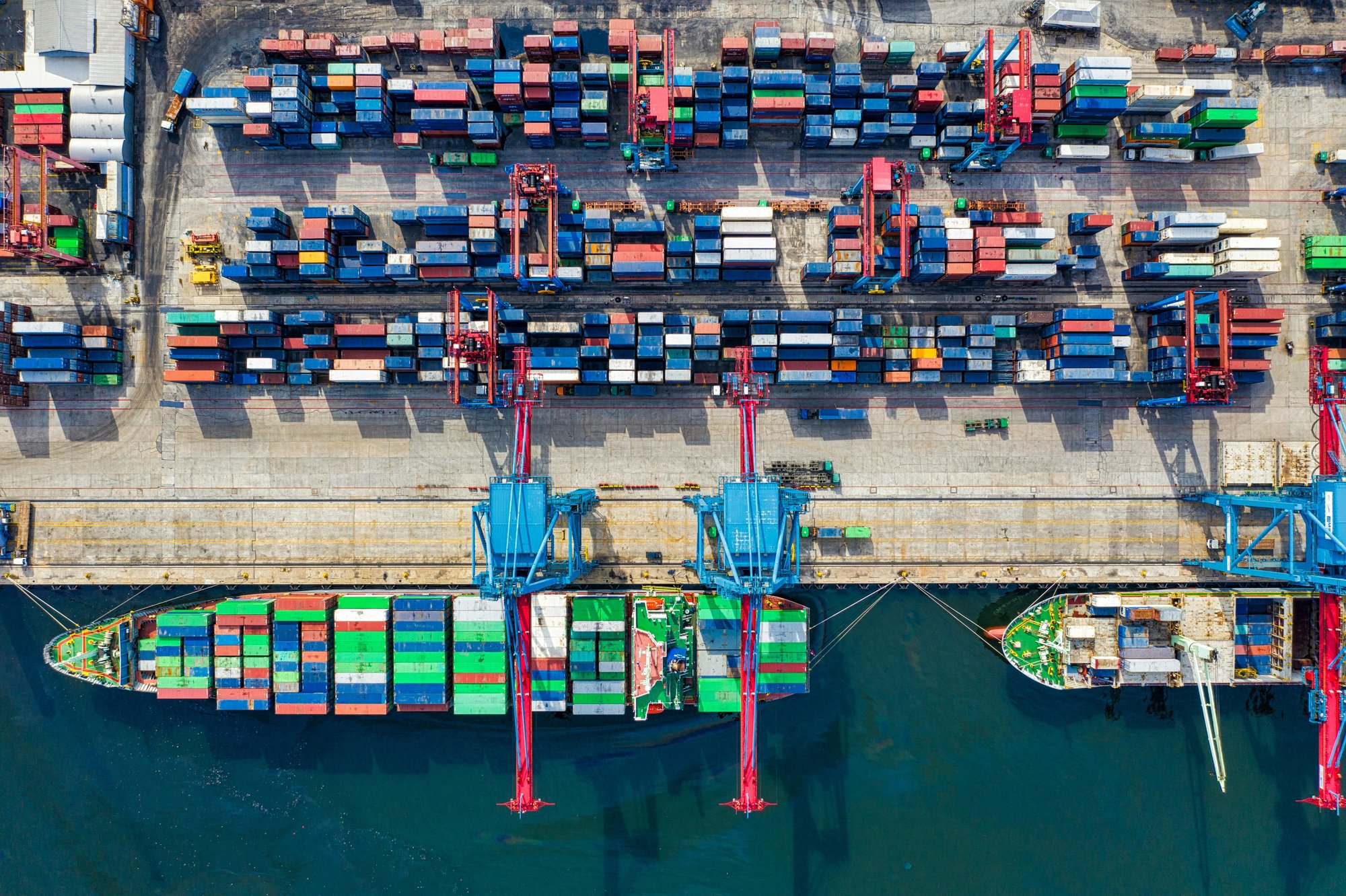
iStock-1794876695 copy
pexels-tomfisk-2226458
pexels-karolina-grabowska-4386152

What is CBAM?

The EU’s Carbon Border Adjustment Mechanism (CBAM) is a carbon pricing system for imported goods such as steel, aluminium, cement, fertiliser, hydrogen, and electricity. Its aim is to prevent carbon leakage and level the playing field by ensuring that imports are subject to the same carbon costs as EU producers.

From 2026, importers will need to declare the embedded carbon in certain products and purchase CBAM certificates to offset those emissions. Affected UK businesses must be ready now to avoid penalties and disruption.


Why It Matters to You

If you’re importing CBAM-covered goods—or sit within the supply chain of someone who is—you’ll need to provide verified carbon data. This is particularly relevant to:

  • Electrical contractors using imported steel or aluminium components

  • Distributors and manufacturers in the construction supply chain

  • Any business engaged in cross-border trade with the EU

Failure to prepare could mean lost contracts, supply chain delays, or non-compliance fines.


Copy of 1974_IACBAM_LOGO_DARK_TEXT

Proud Members of IACBAM

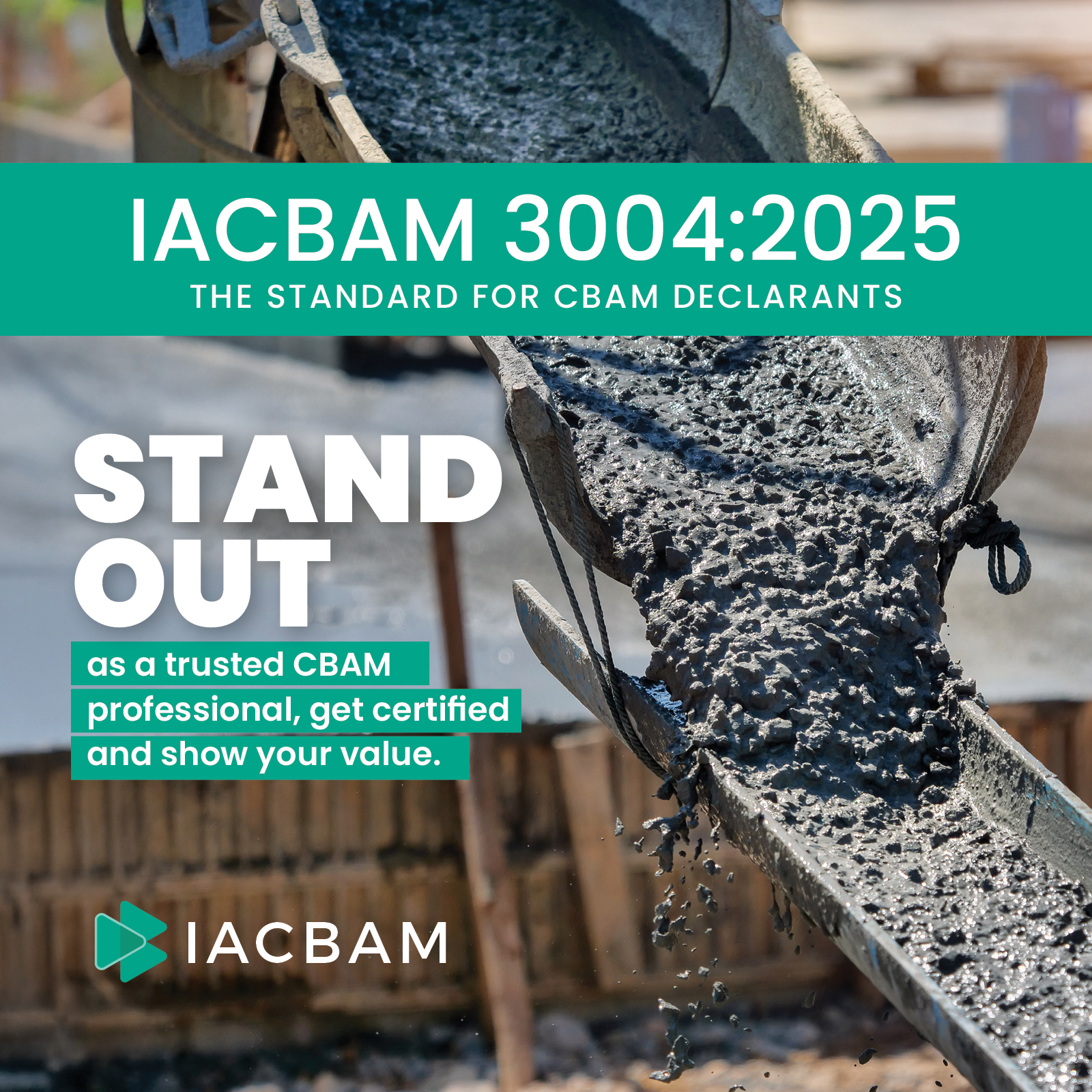
1991_IACBAM_LinkedIn2

Together, we set the standard for CBAM.

As the Carbon Border Adjustment Mechanism (CBAM) transitions from policy to enforcement, importers, suppliers, consultants and customs representatives face increasing compliance responsibilities, uncertainty and risks.

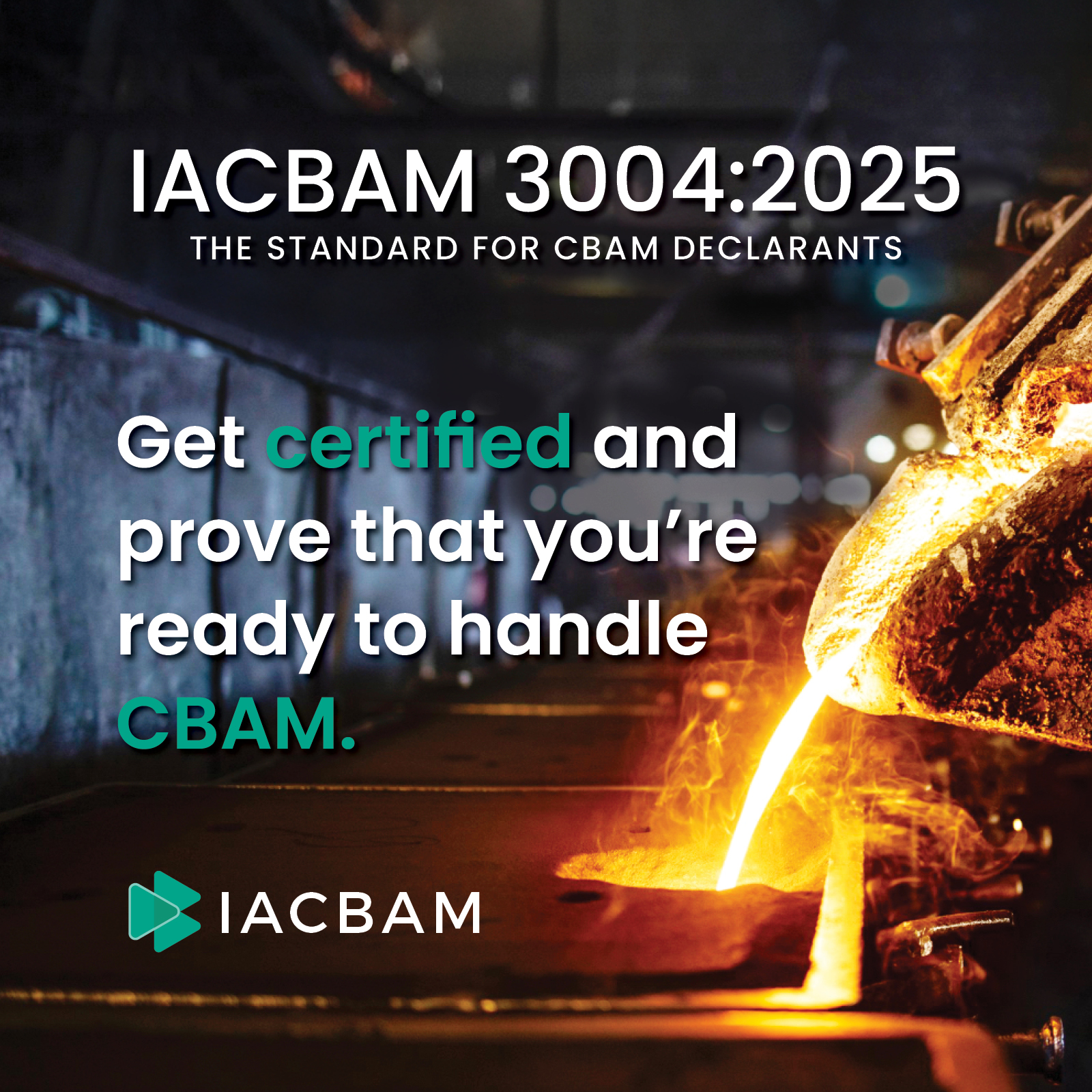
IACBAM promotes, develops and maintains CBAM stakeholder certification, ensuring that companies along the CBAM supply chain are ready to navigate this new legislation. In addition to our certification tracks, we provide our members and partners with the latest news in the world of CBAM.


1991_IACBAM_LinkedIn

Training Providers for IACBAM 3004:2025

The IACBAM 3004:2025 certification is designed for individuals involved in CBAM across the supply chain (EU and non-EU). This program enables anyone exposed to CBAM requirements to formally demonstrate that they possess the knowledge necessary to comply with EU CBAM regulations. It covers CBAM fundamentals such as applicability, emissions reporting, monitoring, financial impacts, and responsibilities. We recommend that importers mandate this certification through their supplier code of conduct to ensure a baseline level of CBAM knowledge across the supply chain.


How EcoValue can help you

EcoValue helps you stay ahead of CBAM requirements by:

Screenshot 2025-06-17 at 13.40.34

Supply Chain

  • Identifying materials affected by CBAM in your supply chain

Carbon Measurment

  • Mapping embedded carbon using ISO 14067-based methodologies

Verification and MRV

  • Supporting third-party verification and MRV (monitoring, reporting, and verification)


Case Studies

Click for further information


Watch our webinars